
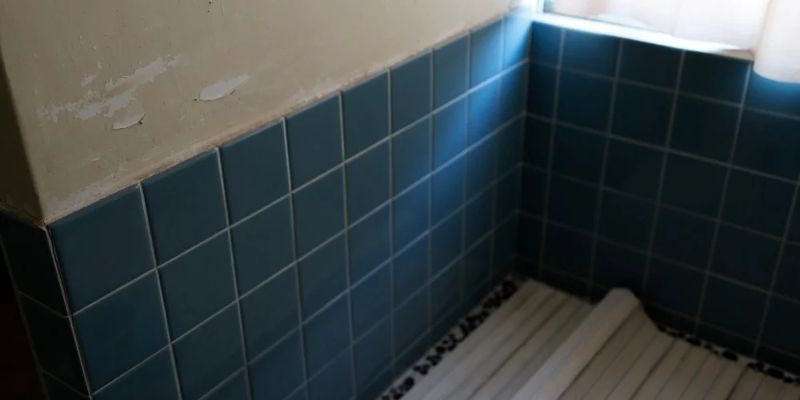
A fresh coat of paint can make a bathroom feel cleaner and brighter—until it starts bubbling, flaking, or lifting away from the wall. If you notice paint in the bathroom peeling, the problem often goes beyond appearance. Moisture may be collecting on the surface, a hidden leak may be dampening the wall, or the paint may not have bonded properly.
Repainting without finding the cause usually leads to the same frustrating result. Here’s how to identify common sources of peeling, choose a lasting repair, and protect your bathroom walls and ceiling from future damage.
Why Is Paint in Bathroom Peeling?
Bathrooms face repeated exposure to steam, splashes, and changing temperatures. When moisture settles on painted surfaces or gets behind the paint film, it can weaken the bond between the coating and the wall. As the paint loses adhesion, it may blister, crack, or peel.
The location and pattern can offer clues. Peeling above a shower may point to trapped steam or poor ventilation. Damage near a sink or tub may come from frequent splashes or failing caulk. A persistent damp spot, stain, or musty smell can suggest a leak that needs attention before anyone paints over it.
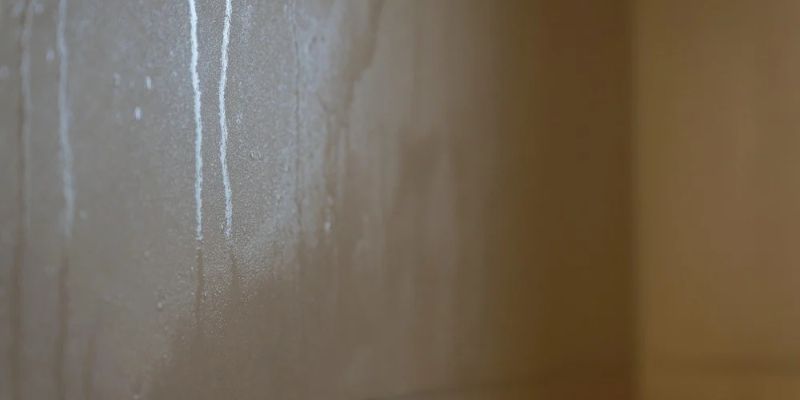
1. Poor ventilation lets humidity linger
A bathroom exhaust fan helps remove humid air after showers. If the fan doesn’t work, runs too briefly, or vents poorly, moisture can remain on walls and ceilings. In Lynn, MA, cold weather can make the problem more noticeable: warm shower air may condense on cooler surfaces, leaving them damp.
Run the fan during showers and for a while afterward. If the room still feels humid or develops condensation, check whether the fan works properly and moves air outside.
2. A plumbing leak or water intrusion keeps the wall damp
A small leak around a pipe, fixture, shower, or roof can slowly soak drywall or plaster. Paint may then bubble or peel in one concentrated area. Look for yellow or brown stains, soft spots, recurring dampness, or damage that worsens even when no one uses the bathroom.
Fix the source before repairing the finish. If the wall feels soft, the peeling spreads, or the moisture keeps returning, arrange an inspection to find out whether the material underneath also needs repair.

3. Poor surface preparation weakens adhesion
Paint needs a clean, dry, stable surface. Dust, soap residue, mildew, loose old paint, or a glossy finish can prevent a new coat from gripping. Painting over a damp surface or applying another coat before the first one dries can also contribute to early failure.
Preparation matters even when the bathroom appears dry. The repair may require removing loose paint, cleaning the surface, allowing it to dry, and applying a suitable primer before repainting.
4. The paint or finish doesn’t suit the room
Standard wall paint may not hold up well in a high-moisture bathroom, especially near a shower. A coating designed for interior use in humid spaces can provide better resistance, but no paint can compensate for persistent leaks or inadequate ventilation. Follow the product label for surface preparation, application, and drying times.
How to Fix Peeling Bathroom Paint for the Long Term
A durable repair treats the moisture problem and the damaged surface. Simply brushing new paint over a peeling area traps the original failure underneath, so the finish may lift again.
Find and correct the moisture source
Start by checking ventilation, plumbing, caulk, and areas where water regularly splashes. Repair a leak or failing seal before painting. Improve airflow by using the exhaust fan during and after showers, and consider having it checked if it seems ineffective.
If the damage covers a large area or keeps coming back, don’t assume the issue is only cosmetic. Persistent moisture can damage the wall beneath the paint, and the surface may need professional assessment.

Remove loose paint and prepare the surface
Once the area is dry and the source of moisture has been addressed, remove paint that has lost its bond. Scrape carefully, then clean the surface and let it dry fully. Patch damaged areas as needed and sand the edges so the repair blends smoothly with the surrounding wall.
For older homes, take care before disturbing paint that may contain lead. Follow appropriate safety guidance and seek qualified help when you’re unsure.
Prime and repaint with a suitable coating
Use a primer that matches the surface and repair needs, then apply bathroom-appropriate paint according to the manufacturer’s directions. Give each coat the required drying time. Keep the room ventilated while the paint dries and avoid exposing the fresh finish to heavy steam until it has cured as directed.
How to Help Prevent Bathroom Paint from Peeling Again
Good ventilation and routine checks help a paint job last longer. Run the exhaust fan after showers, wipe away heavy splashes, and repair worn caulk before water gets behind it. Check ceilings and walls periodically for fresh stains, bubbles, or musty odors.
Choose a paint product suitable for the bathroom’s moisture level, and prepare the surface carefully before application. If paint in bathroom peeling returns despite these steps, the bathroom may have an underlying ventilation, plumbing, or wall-surface problem that needs attention.
Get Help with Bathroom Painting in Lynn, MA
Bathroom paint usually peels when moisture weakens its bond with the wall. Poor ventilation, plumbing leaks, inadequate surface preparation, or paint that doesn’t suit a humid room can all contribute. Look for clues such as condensation, stains, soft spots, or peeling that keeps returning, and address the source before repainting.
Once the surface is dry and stable, remove loose paint, clean and prepare the area, apply the right primer, and use paint made for bathroom conditions. Regular ventilation and prompt repairs to leaks or worn caulk can help protect the finish. If the damage persists, the wall may need a closer inspection before you repaint.