
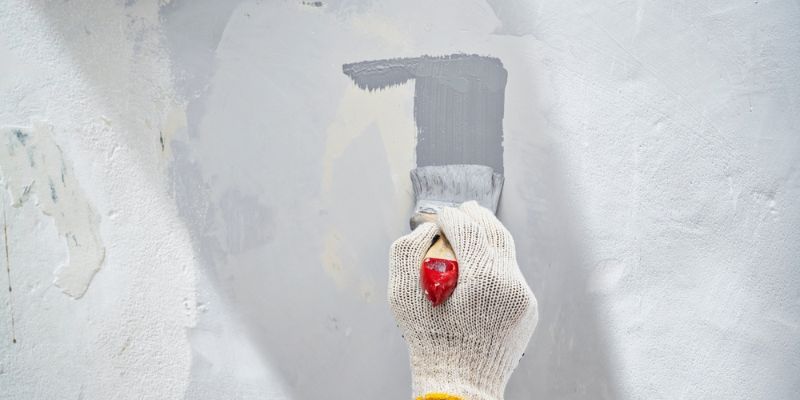
Professional drywall repair creates the smooth, solid foundation your paint needs. It helps the color apply evenly, improves adhesion, and gives the finished wall a cleaner, more polished look. Whether you own a home in Lynn, manage a rental on the North Shore, or operate a commercial property in Massachusetts, proper wall preparation can make the difference between a quick cover-up and a finish that truly lasts.
Common Wall Problems That Affect Your Paint Finish
Most homes and businesses deal with wall damage over time. Daily activity, furniture movement, moisture, settling, and previous DIY repairs can leave marks that paint cannot cover alone.
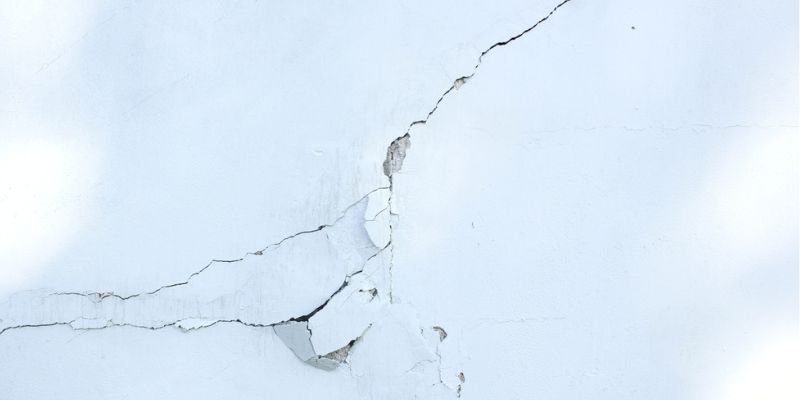
Cracks often appear near windows, doors, ceilings, and corners. These areas experience stress as a building settles or shifts with seasonal temperature changes. If you paint over cracks without repairing them, they can reopen and ruin the fresh finish.
Nail pops and screw pops create small raised bumps in the wall. They happen when fasteners move or push through the drywall surface. A professional resets or secures the area, applies compound, sands it smooth, and prepares it for paint.
Holes and dents can come from doorknobs, furniture, wall anchors, accidents, or normal wear and tear. Small holes may need spackle, while larger repairs may require mesh tape, backing, or a drywall patch.
Peeling paint also needs proper attention. Loose or flaking paint prevents new paint from bonding. Professionals scrape away unstable material, sand the edges, clean dust, patch damaged areas, and prime the surface before repainting.
Water stains need extra care. A stain can bleed through fresh paint if the wall does not receive the right treatment. Before painting, the source of moisture should be addressed, damaged drywall should be repaired, and the area should receive the correct primer.
Paint Wall Repair for a Smoother, Longer-Lasting Finish
Paint wall repair helps your interior painting project look better and last longer because it focuses on the surface, not just the color. A smooth wall allows paint to spread evenly. A clean, sealed surface helps primer and paint grip properly. A properly feathered patch blends into the surrounding wall instead of creating a visible outline.
Professional repair also improves durability. When painters apply fresh paint over dusty, cracked, or loose surfaces, the finish can fail early. When they repair and prepare the wall first, the coating has a stronger base. This matters in busy areas such as hallways, staircases, kitchens, bathrooms, offices, rental units, and family rooms.
Homes in Massachusetts often experience humidity, winter dryness, and temperature swings that can stress interior surfaces. Proper wall preparation helps your paint handle those changes with fewer visible flaws.
What Professional Drywall Repair Includes
A quality repair starts with a close inspection. The contractor checks the size, depth, and cause of the damage. A small nail hole may need a quick fill and sand, while a larger hole may need a more structured patch. Cracks may require tape and joint compound to reduce the chance of reopening.
Next, the surface gets cleaned and prepared. Loose paint, dust, and damaged drywall must come off before new material goes on. This step gives patching compound or joint compound a stronger surface to grip.
For holes and deeper damage, professionals may use backing material, mesh tape, drywall tape, or a fitted drywall patch. They apply compound in thin, even layers and feather the edges outward so the repair blends with the surrounding wall. This technique reduces the bulky, raised look that often comes from rushed patch jobs.
After the compound dries, the area gets sanded until it feels smooth and level. The repair should not create a ridge, dip, or rough texture. If the wall has an existing texture, the contractor works to match it as closely as possible.
Primer completes the preparation. Fresh compound absorbs paint differently than older painted drywall. Primer seals the repair and helps the finish coat dry evenly. Without primer, the repaired spot may look duller or shinier than the rest of the wall.

Why DIY Patches Often Show Through Paint
DIY repairs can work for very small touch-ups, but many patch jobs become obvious after painting. Too much compound, uneven sanding, skipped primer, or a poor texture match can leave a noticeable mark. A patch may look acceptable before paint, then stand out once the final coat dries.
Professional painters understand how wall texture, paint sheen, lighting, and primer work together. They also know when a simple fill will not solve the problem. Some areas need a wider skim coat, stronger reinforcement, or additional sanding to create a seamless result.
Hiring a professional can also save time. Instead of buying supplies, guessing through the process, repainting mistakes, and living with visible patches, you get a cleaner result from the start.
Better Preparation Creates Better Color Results
Color depends on surface consistency. If one area absorbs paint faster than another, the wall can look uneven even when painters use the same product. Repaired drywall, old paint, stains, and bare patches all react differently to new paint.
Proper drywall repair and priming help create a uniform base. That means your chosen color has a better chance of looking rich, smooth, and consistent. This step matters whether you prefer soft neutrals, bold accent walls, bright whites, or deeper modern tones.
A well-prepared wall also improves touch-ups later. When the original paint job has a smooth, properly primed foundation, future maintenance becomes easier and less noticeable.

When Should You Schedule Wall Repair?
Schedule wall repair before painting any room with visible cracks, holes, dents, peeling paint, stains, rough patches, or previous repairs. You should also consider repair work after remodeling, electrical updates, plumbing work, insulation projects, door replacement, window replacement, or moving heavy furniture.
If you plan to sell your home, rent a unit, open a business space, or refresh your property for guests, wall repair can quickly improve the appearance of your interior. Clean walls make rooms look better maintained and more inviting.
For the best results, schedule drywall repair and painting together. One coordinated team can handle the full process, from surface preparation to final coat, while maintaining a consistent finish throughout the space.
A Better Foundation for a Better Paint Finish
A clean, lasting paint job starts before the first coat goes on. Cracks, dents, peeling paint, stains, and uneven patches all affect how the final color looks and how well it holds up over time. Professional wall preparation helps create a smoother surface, stronger paint adhesion, and a more polished finish throughout the room.
For homes and businesses in Lynn, MA, the North Shore, and surrounding Massachusetts communities, quality drywall repair supports a result that looks fresher, cleaner, and more carefully finished. When walls receive the right attention first, interior painting delivers the beauty, durability, and value property owners expect.